About heat shrink
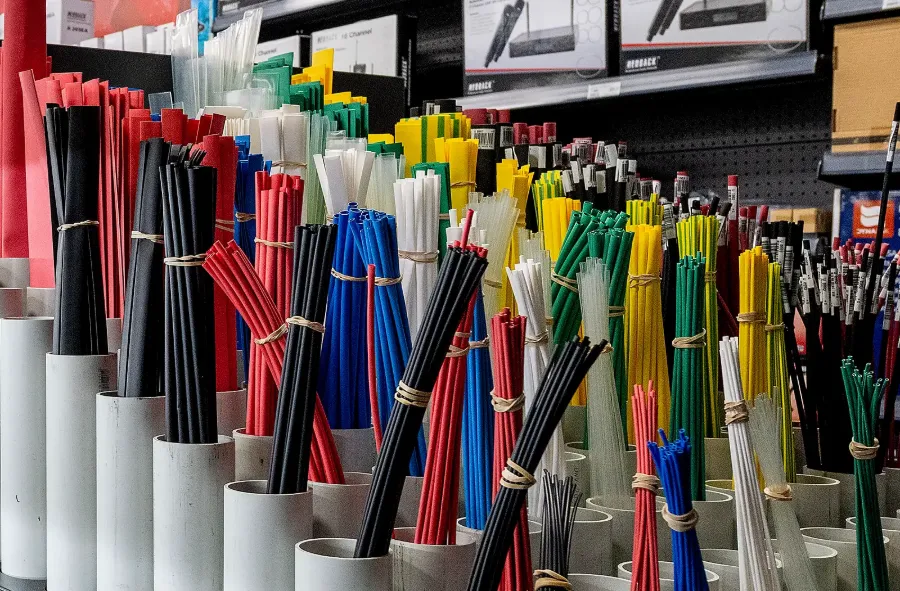
Heat shrink is an amazingly versatile product designed to be applied to cabling and components to provide electrical insulation, physical protection and reinforcement. It can also be used as a quick way of adding identification to cabling.
With such a wide range of uses, heat shrink tubing sleeves come in a variety of colours, sizes and types. A couple of popular variants include:
-
Adhesive heat shrink: Provides a more secure attachment to the cable sheathing and helps to prevent dust and moisture ingress (although not officially IP rated, sealing a connector with 1 or 2 layers of adhesive heat shrink can provide a very robust environmental protection.
-
Solder splice heat shrink: These unique joiners allow single core cables to be connected together quickly. They feature a central core of solder which melts as the heat shrink tube reduces, joining two bare cable conductors together in the process. Very handy for automotive wiring!
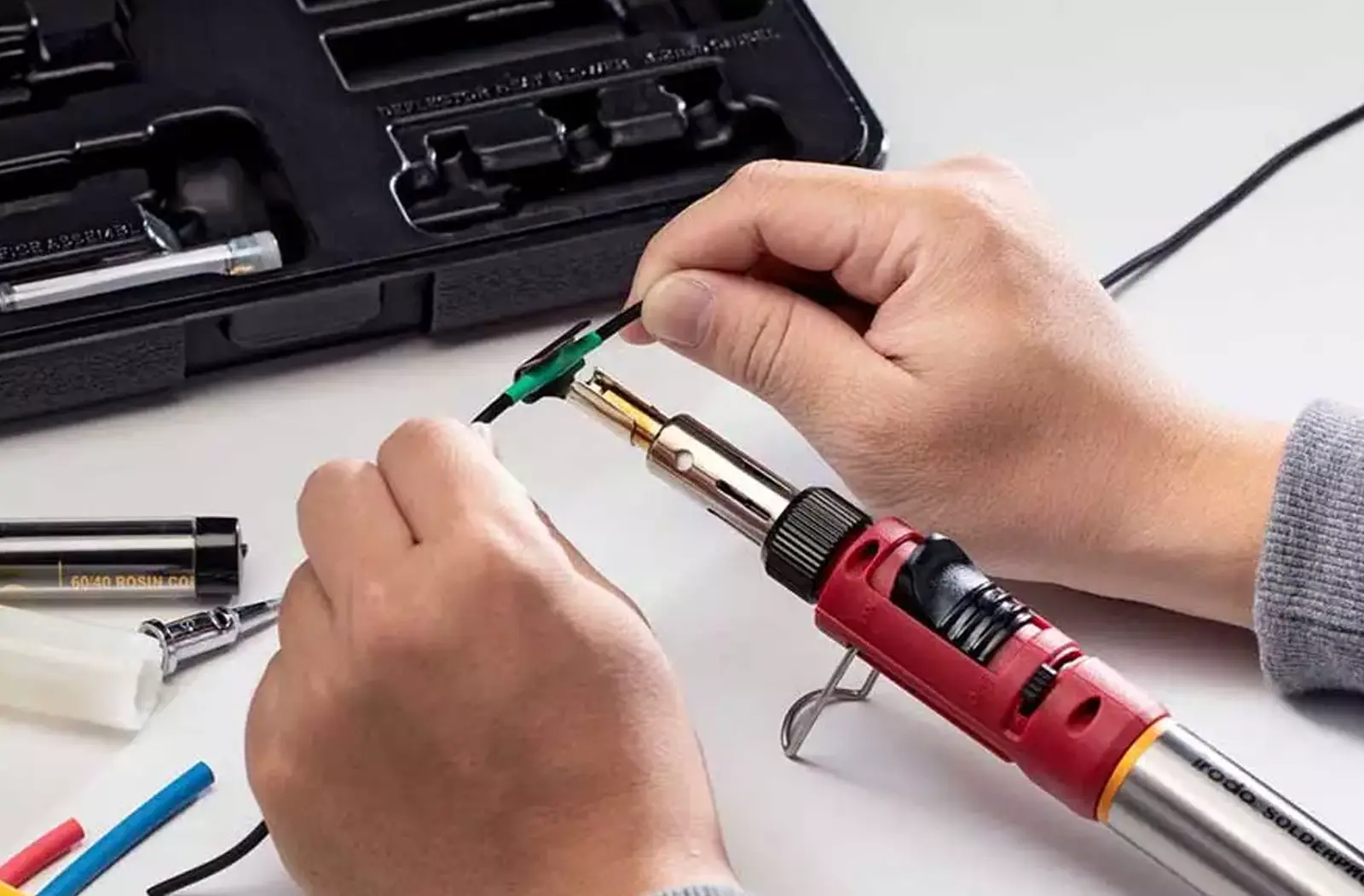
When buying heat shrink tubing its important to consider the shrink ratio of the sleeving. Most Altronics heat shrink is 2:1 ratio. This means that a 20mm heat shrink will reduce to 10mm when shrunk.
What is heat shrink used for?
Heat shrink can be used to provide electrical insulation for wiring joins or physical and environmental protection for small circuit boards. Wiring can also be gathered into a single heat shrunk bundle to build a robust tangle free wiring loom. It’s also handy as a cable strain relief at connection points. You can layer a couple of pieces of heat shrink to provide a sturdy connector join that won’t break with excessive handling.
It can also be used as a quick way of adding identification to cabling - simply slip a label under some clear heat shrink and shrink it!
How to use heat shrink tubing / sleeves.
Selecting the right tubing size is an important first step. It should comfortably cover the wiring, connector join or circuit. Bear in mind that the heat shrink tubing will halve in size when shrunk (if using 2:1 ratio type).
Measure a suitable length to generously cover wiring, bearing in mind that the heat shrink also contracts in length slightly when reduced. Better to over estimate than underestimate and find yourself needing to cut the heat shrink off to do it again!
Check the heat rating for the heat shrink tubing you are using. Most Altronics heat shrink is rated to 135°C continuous temperatures, and up to 300°C for short durations. Typically the duration required to shrink it. Anything above this and you risk burning the tubing instead of shrinking it.
For this reason, it is preferred that you use a heat gun to shrink the tubing. In a pinch you can use a lighter, blow torch or even a hair dryer. If using a lighter or blow torch ensure you do not get the tubing too close to the flame. If using a hair dryer you will find that it takes much longer to shrink the tubing. Move the join back and forth across the heat source until shrunk to your preferred sizing. Once the tubing is tightly secured let it cool down before installation to prevent melting any vehicle plastics or other materials it comes into contact with.
What is the alternative to heat shrink?
If you don’t have heat shrink handy and need to insulate and protect a join, you can try some alternatives such as self-amalgamating tape, liquid electrical tape, a cable sleeving product, potting compound or good old regular electrical tape!
Is electrical tape as good as heat shrink?
Electrical tape is great, but heat shrink tubing is better - by far! For permanent wiring fixes we recommend heat shrink over electrical tape every time. Heat shrink is more durable, can provide fantastic environmental protection and can prevent future wiring breaks from pulling or rubbing against surfaces.
Can I cut heatshrink and still use it?
Cutting cross wise? Absolutely. Cutting length wise? Probably not. You can sometimes cut adhesive heat shrink length ways and wrap it around your cable join, but the results are not always reliable.
If you need to protect an existing terminated wire where you can’t get a length of heatshrink over the connector end, then consider an alternative produce such as self-amalgamating tape to provide protection.
Can you shrink heat shrink without a heat gun?
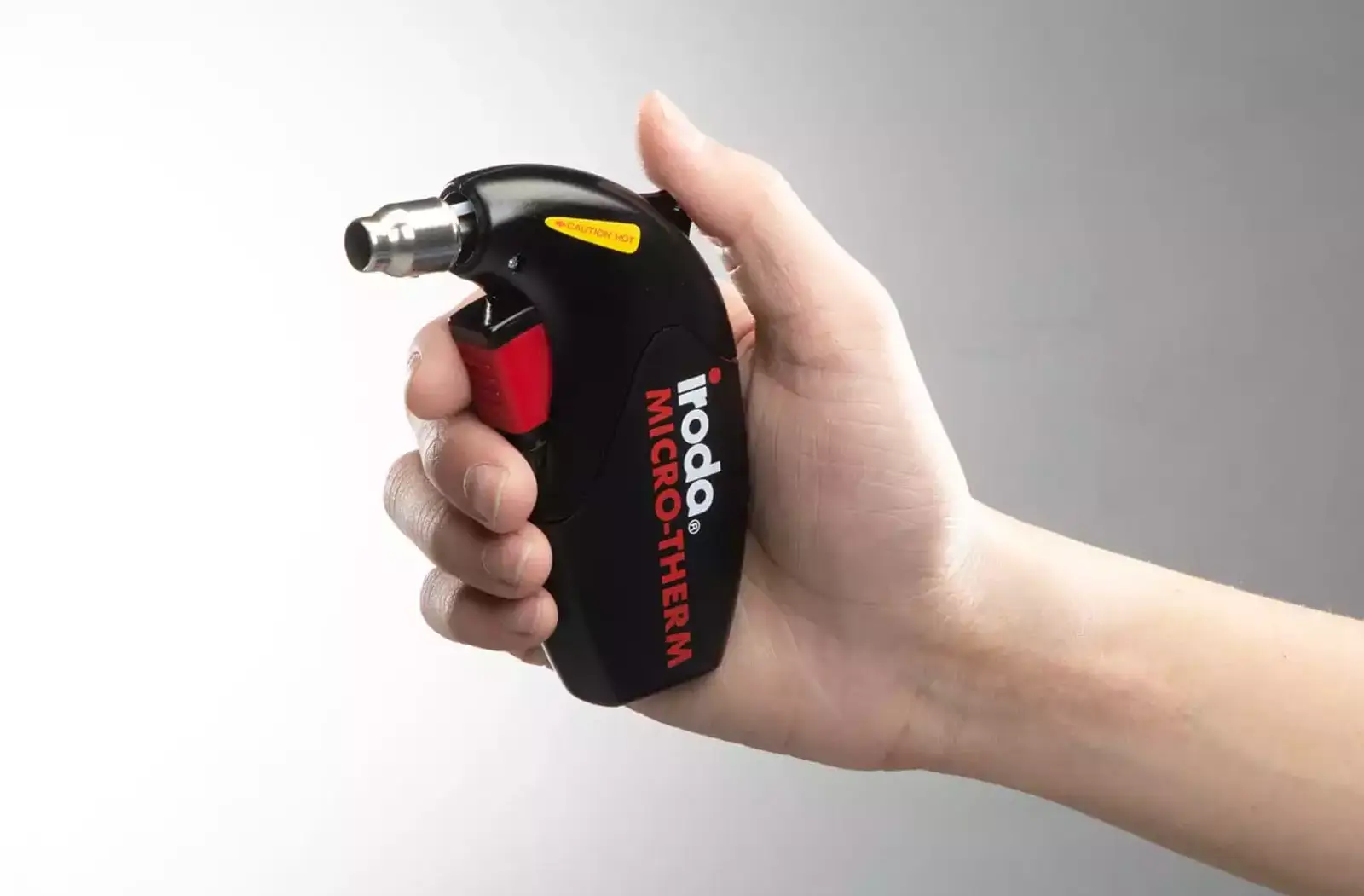
Yes, but if using a hair dryer you will find that it takes much longer to shrink the tubing. If you have one, use the concentrator nozzle to direct more of the heat along the surface of the tubing. We recommend using a heat gun. These are relatively affordable tools with many home, craft and trade uses outside of just heat shrinking.
Thats heat shrink covered! If you have any questions about using heat shrink or what tools to buy for your job, contact us and we’ll steer you in the right direction.